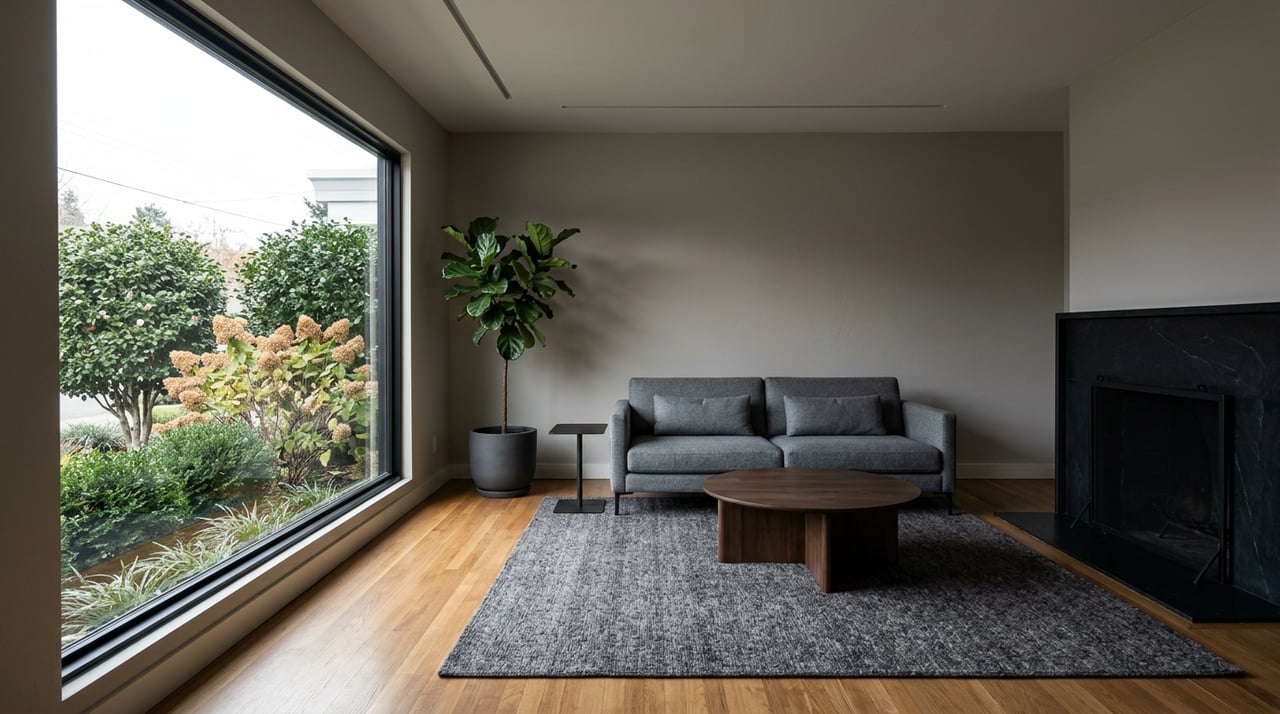
You only get one first impression in Dilworth. Buyers here fall for porch living, mature oaks, and the charm of Craftsman details. If your home’s story is not clear the moment they scroll your photos, you risk leaving money on the table. In this guide, you will see exactly how KO Designed, KO Realty Group’s in‑house staging and listing prep program, readies Dilworth homes to stand out and sell with confidence. Let’s dive in.
Why Dilworth needs a tailored plan
Dilworth is one of Charlotte’s earliest streetcar suburbs, known for classic bungalows, deep porches, and leafy streets. Buyers respond when you highlight porch living, walkability, and original character. The neighborhood’s story matters as much as the floor plan. You want staging that shows that lifestyle clearly. This local history overview captures why porch culture and tree canopy are part of the appeal.
Much of Dilworth sits within a Local Historic District. That means permanent exterior changes can require a Certificate of Appropriateness. Staging here should focus on non‑invasive strategies that respect the guidelines. If you plan any exterior paint, major landscape changes, or alterations to porches, review the Charlotte Historic District design guidelines first.
What KO Designed includes
KO Designed is KO Realty Group’s in‑house staging and listing prep program. The firm markets complimentary pre‑listing staging as part of its listing services, along with professional photography and drone footage where appropriate. The intake process covers practical categories like decluttering, depersonalization, repairs, and curb appeal so you know exactly what to do first. You can see the program’s overview on KO’s staging page.
The KO staging workflow
1) Consultation and buyer targeting
We start with a pre‑listing consultation to define the target buyer for your home. Are we aiming for a young professional who values walkability, or a move‑up buyer who needs flexible spaces and storage? The visit includes a room‑by‑room review and a prioritized edit list focused on decluttering, depersonalization, minor repairs, and curb appeal. KO’s intake mirrors these categories and sets the schedule so you stay on track. Learn more on KO’s staging page.
2) Edit list and light repairs
Small changes do the heavy lifting. We remove personal photos, streamline décor, and clear counters to let your home’s lines read clean in photos. Industry data consistently shows buyers focus first on the living room, primary bedroom, and kitchen. The National Association of Realtors notes these rooms carry the most weight for staging impact. See NAR’s summary of staging insights here.
We also flag high‑value repairs: fresh touch‑ups on paint, working bulbs, smooth hardware, and basic mechanical fixes. KO’s intake includes repairs and curb appeal so we can tackle these early and avoid surprises at photo time. The goal is a crisp, well‑maintained look without unnecessary spend.
3) Furniture plans sized to Dilworth rooms
Many Dilworth bungalows have compact rooms and narrow passageways. Scale matters. We measure spaces and build a simple plan that shows furniture size, placement, and clear circulation. For vacant homes, we select rental pieces that fit the room and style of the architecture. For occupied homes, we keep the best owner pieces and store the rest. This measured approach is standard among top stagers and helps prevent oversizing that can shrink a room visually. Read more on space planning best practice in this industry overview.
4) Installation and final styling
Install day is focused and fast. For most occupied homes, staging takes a single day. We place the furniture, dial in lighting, and add accessories that pull the architecture forward. Expect layered textiles, a clean focal vignette in each room, and strategic mirrors to amplify light. Teardown happens after the sale. Timelines vary by scope, but this one‑to‑two‑day install window is common across the industry. See a typical schedule in this FAQ resource.
5) Photography, drone, and virtual media
Your photos are the tip of the spear. KO’s listing package includes professional photography and, where it adds value, drone footage to showcase Dilworth’s tree canopy and walkable grid. Industry analyses have found professionally shot listings draw more online views and can sell faster on average. One study reported that homes with professional real estate photography sold 32 percent faster. You can review a summary of that impact here.
Virtual staging can be a cost‑effective tool for select rooms, especially in vacant homes. It must be disclosed properly so buyers are not misled. Many MLS services require clear labeling and may request the original unedited image alongside the virtually staged version. KO follows MLS disclosure standards. You can read a plain‑English update on digital staging disclosure here.
6) Post‑list monitoring and quick tweaks
Once your listing goes live, we track showings and feedback. If we hear that a room reads too dark, a piece feels oversized, or a function is unclear, we adjust. Swapping a rug, changing art scale, or refining a vignette in week one or two can pay off. Iteration like this is common in active staging programs and keeps your presentation aligned with real buyer response. See how responsive staging supports outcomes in this industry guide.
Design solutions for classic Dilworth homes
Make compact rooms feel open
- Choose scaled pieces: a smaller sofa and armless accent chairs keep circulation clear.
- Pull furniture off walls to create depth and better sightlines through shotgun‑style layouts.
- Use light palettes and simple rugs to define zones without visual bulk.
- Prioritize the living room, primary bedroom, and kitchen for maximum impact, per NAR guidance.
Turn the porch into a selling feature
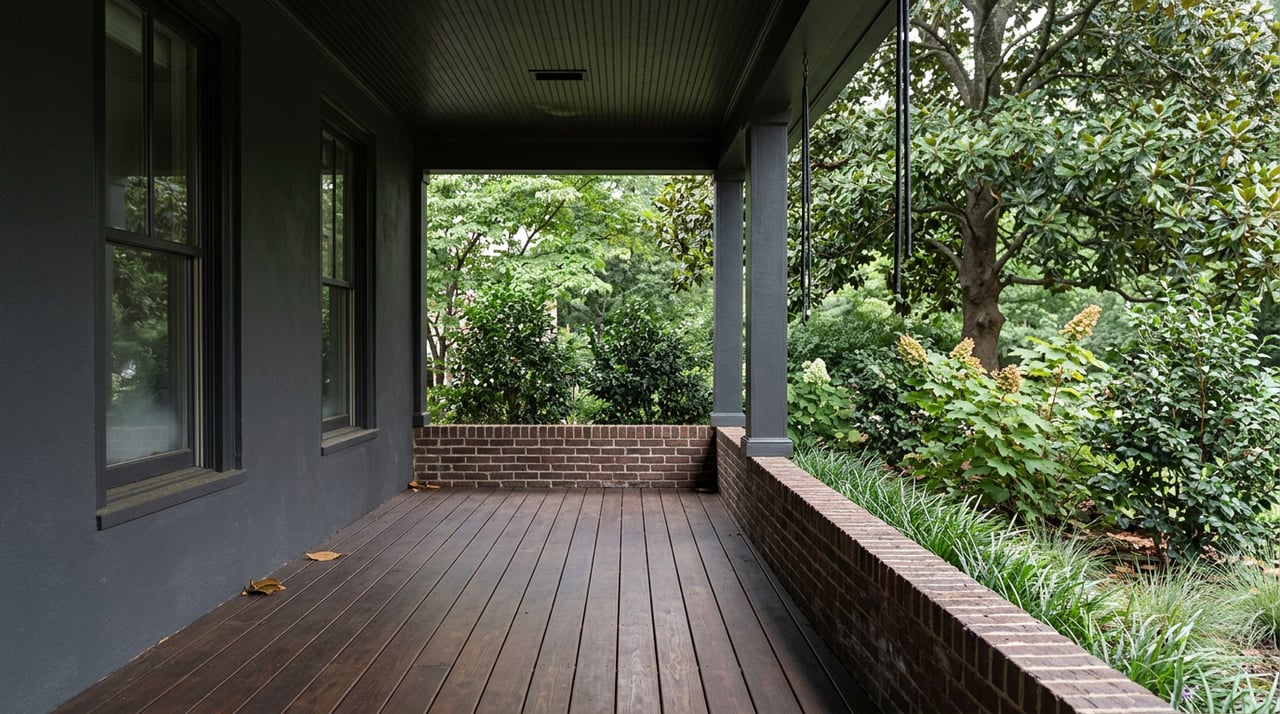
- Stage the porch as an outdoor room: a bistro set, cushions, a porch rug, and warm accent lighting.
- Keep plantings temporary and simple so you respect historic guidelines and HOA norms.
- Capture lifestyle shots that communicate morning coffee, evening chats, and neighborhood connection. Dilworth’s porch culture is a real draw, as noted in this neighborhood profile.
Spotlight historic details without clutter
- Polish mantels and built‑ins and clear competing accessories.
- Add one curated piece that draws the eye to original millwork or a fireplace.
- Keep textiles soft and neutral so the architecture does the talking.
- Avoid covering or altering period features. For exterior or structural changes, consult the historic district guidelines first.
Make small kitchens work hard
- Strip counters and style a simple vignette to show function.
- Update light bulbs and hardware inside the current footprint.
- If the kitchen is tight, stage a compact dining nook or coffee zone to show daily flow. See room‑priority tips from NAR.
Appeal to a wide buyer pool
- Keep the palette neutral and elevate storage zones so the home feels turnkey.
- Show a flexible bonus space that can read as an office or guest room.
- Highlight walkability and easy commutes through lifestyle cues in photos and copy. The local draw to shaded streets and quick access to Uptown is noted in this overview.
Timeline and cost expectations
Every project is different, but most Dilworth listings can move from consult to photos within one to two weeks when sellers are ready.
- Planning and edit list: 1 to 7 days depending on decluttering and repair pace. See common timelines in this industry breakdown.
- Installation: 1 day for most occupied homes. Vacant installs can take 1 to 2 days.
- Photography and drone: usually the same week as install.
KO Realty markets complimentary pre‑listing staging for KO listings, including professional photos and drone where applicable. For deeper or specialized needs, national benchmarks help frame expectations. Initial consults often range from $150 to $600. Occupied staging can run a few hundred to a few thousand dollars. Full vacant staging that involves rental furniture commonly ranges from $2,000 to $7,000 or more depending on size and rental term. Virtual staging is far less, often $75 to $200 per image. See detailed ranges in this Bankrate guide. Your exact package depends on scope and inventory. Confirm specifics with KO during your consult.
What results you can expect
No one can promise a final price. The market sets value. That said, industry data is clear on tendencies. According to the National Association of Realtors’ Profile of Home Staging, about 29 percent of seller agents reported staging led to a 1 to 10 percent increase in the dollar value buyers offered. Nearly half of seller agents reported staging reduced time on market. Review the findings in NAR’s press release here.
Professional creative assets matter too. Analyses summarized by industry sources report that professional photos attract more online views and can speed up sales. One study cited an average of 32 percent faster sales with professional real estate photography. You can see that summary here. Results vary by pricing strategy, competition, and season, but the direction is consistent.
Compliance you can trust
- Historic district guidelines: Many exterior updates in Dilworth require approval. KO focuses on non‑invasive staging first and coordinates with the Charlotte Historic District Commission if you plan permanent exterior work. Review the local guidelines early.
- Virtual staging disclosure: Digitally altered images must be labeled clearly per MLS or state rules. Some MLS services require original images alongside virtual versions. KO follows MLS disclosure standards so buyers are informed. Read a plain‑language update here.
From staging to showings to sold
Great staging is only the start. KO pairs in‑house design with professional photography, drone where it adds value, and focused neighborhood marketing to convert attention into showings. The approach is hands on. Edit. Style. Shoot. Launch. Then track feedback and fine‑tune quickly. In Dilworth, where character sells, that extra sweat equity is often the difference between a good offer and a great one.
Ready to position your Dilworth home for a premium result? Book a consult with KO Realty Group and let’s build a market‑ready plan.
FAQs
What does KO Designed include for Dilworth sellers?
- KO markets complimentary pre‑listing staging for KO listings, including professional photography and drone footage where it helps. The intake covers decluttering, depersonalization, repairs, and curb appeal. See the program on KO’s staging page.
How long does staging take before listing a Dilworth home?
- Most projects move from consult to photos in 1 to 2 weeks, depending on seller readiness. Installation often takes 1 day, with photos the same week. See typical timelines in this industry guide.
How much does staging cost with KO Designed?
- KO advertises complimentary pre‑listing staging for KO listings. For deeper staging like full vacant installs or extended rentals, national averages often range from $1,500 to $4,000 for a typical project, with wide variance by size and duration. Benchmarks are outlined in this Bankrate overview.
Will virtual staging mislead buyers?
- Virtual staging is a useful, lower‑cost tool when labeled properly. MLS and state rules require disclosure of digitally altered images, and some MLS boards request original photos alongside virtual versions. See a summary of disclosure practices here.
Can I make exterior changes to boost curb appeal in Dilworth?
- Non‑invasive updates like planters, porch styling, and lighting are fine. Permanent exterior changes can require approval inside the Local Historic District. Review the Charlotte Historic District guidelines before starting.