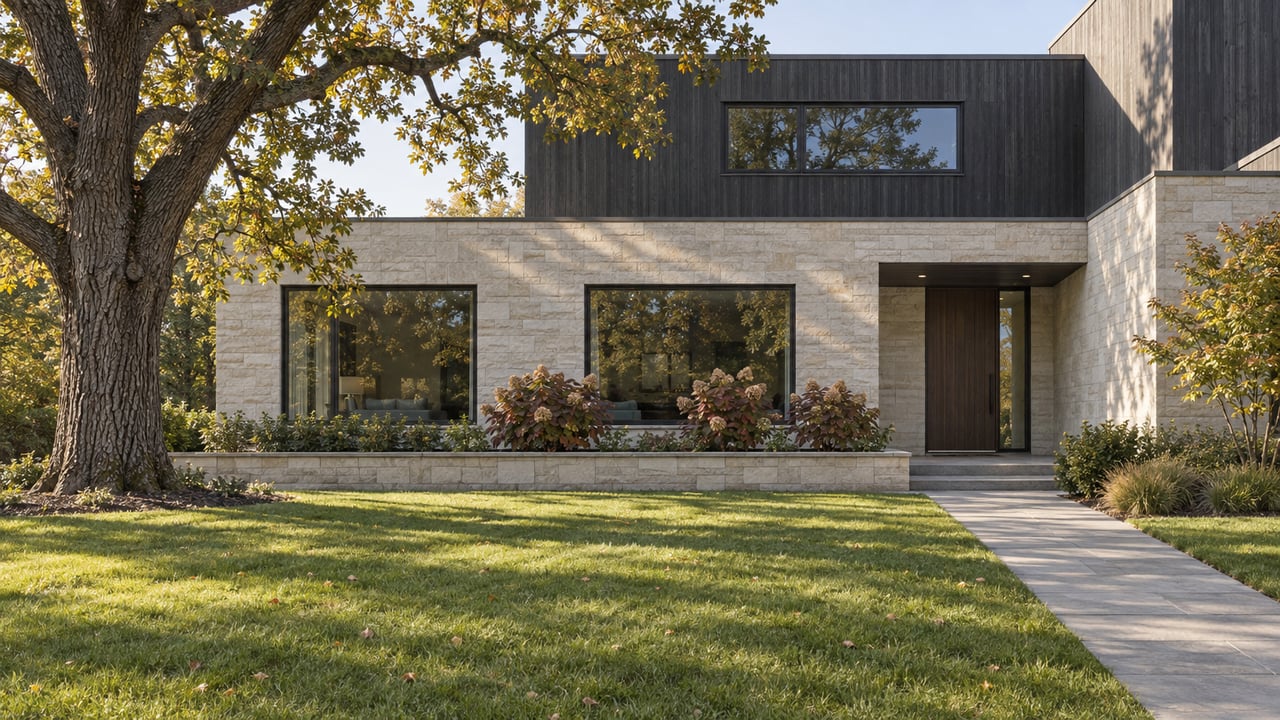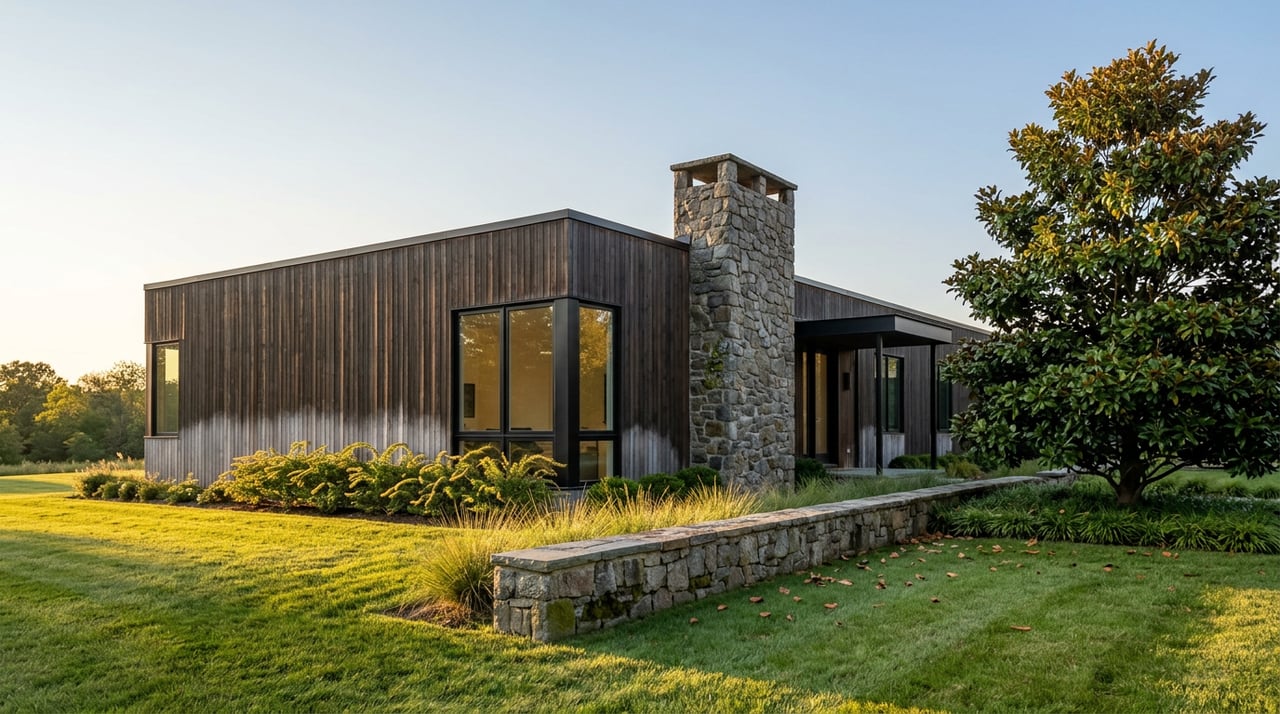
A buyer we talked with this spring toured a home on Turtle Point Road, the kind that backs up to the third fairway with a deck built for watching golfers play through. The listing packet mentioned "resort-style amenities" and a "sports complex." She assumed the price of the home bought her way into all of it. It didn't. What her HOA dues actually unlock is a separate building with a fitness room, a family pool open Memorial Day through Labor Day, and a set of pickleball courts behind the parking lot. The Nicklaus-designed golf course she could see from her own backyard requires its own membership, sold by a different entity entirely, one that as of this past June belongs to a golf management company most Charlotte buyers have never heard of.
That gap between what a home purchase includes and what a listing photo implies is the real story inside The Palisades right now, and it matters more than the median price ever will.
One name, twenty HOAs, two membership systems
The Palisades markets itself as a single 1,600-acre community wrapped around Lake Wylie, and in the sense that it shares one entrance road, one school zone, and one country club logo on the brochures, that's true. But the community was built out in phases by more than a dozen different builders across two decades, and it was structured that way from the start. Each of its 20 named neighborhoods, from Turtle Point to Ashton Oaks to the equestrian-zoned Ranch, carries its own homeowners association with its own dues, its own architectural rules, and in some cases its own separate amenity package layered on top of what the master community provides.
That's the first layer most buyers underestimate. The second layer is the one that actually catches people off guard at the closing table: the master HOA's Private Resident's Club and The Palisades Country Club are not the same organization, and they never have been.
Every homeowner across all 20 neighborhoods gets automatic, no-extra-cost access to the Resident's Club through a key fob tied to their HOA account. That gets you the fitness facility open daily from 5 a.m. to 10 p.m., the family pool during summer months, a 24-hour playground, and pickleball and basketball courts. It's a real amenity and it's genuinely included.
The golf course, the tennis complex, and the resort-style aquatic center with the zero-entry pool and water slides that show up in nearly every drone shot of this community belong to The Palisades Country Club, a private club that requires its own paid membership on top of whatever you're already paying your HOA. Owning a home inside The Palisades, even one that borders a fairway, does not make you a club member. It makes you a neighbor with a nice view.
What changed this summer, and why the timing still matters
This distinction has mattered for years, but it matters more right now because the club itself changed hands earlier this year. This past June, Heritage Golf Group acquired The Palisades Country Club from Timberlake Golf Club LLC, marking the company's entry into the Charlotte market and its 48th property overall, expanding a portfolio that had previously concentrated around Wilmington, Myrtle Beach, and Hilton Head Island.
New ownership of a private club almost always means a review of dues, a review of capital projects, or both. In its announcement, Heritage Golf Group was direct about where things stand:
"Early capital improvement plans are currently being evaluated and will be guided by member and team feedback."
Translation for a buyer sitting across the table from a listing agent right now: the membership price and the amenity roadmap for the Country Club are both in motion. Nobody outside that process, including us, can tell you today what dues will look like a year from now. What we can tell you is that the golf course, the seven clay tennis courts, and the aquatic complex you're picturing when you imagine life in The Palisades are governed by decisions this new ownership group hasn't finished making.
Why the price range tells you almost nothing on its own
Layer the club question on top of the neighborhood-by-neighborhood pricing spread and the picture gets more specific. Single-family sales across The Palisades over the past year have ranged from roughly $480,000 to just above $2.1 million, and that range isn't noise, it's structure. It reflects three different eras of construction and three different products sitting inside the same gate.
The earliest sections, like BriarCliff and MorningSide, were built by Shea Homes and originally priced starting in the mid-$300s. Turtle Point followed with four-side brick homes from Shea, Niblock, and St. Lawrence, many with three-car garages facing the second through fifth fairways. Ashton Oaks came later and aimed higher: custom homes built between 2007 and 2009 by more than 17 different builders, originally priced from $879,900 to $1,770,000, with recent resales landing between $1.1 million and $2 million. At the far end sits an 11-home gated enclave built specifically for buyers who want a smaller footprint without giving up custom finish work, and The Ranch, a gated equestrian section with its own horse barn, serving a completely different lifestyle than anyone touring a lakefront lot.
Association dues track that same spread. Depending on which of the 20 HOAs holds your deed, quarterly or monthly fees can run from token amounts up into the low thousands per quarter, and what those dues cover varies by section too. A fee schedule built for a starter-era neighborhood from the mid-2000s is not underwriting the same landscaping and gate infrastructure as one built for a custom enclave finished in 2020.
None of this shows up in a single "median home price in The Palisades" headline. It only shows up when you ask which of the 20 associations you're actually joining, what that association's dues fund, and whether Country Club access is something you're assuming, budgeting for, or planning to skip entirely.
What this means at the offer table
If you're comparing homes inside The Palisades right now, three questions do more work than any listing sheet:
- Which of the 20 HOAs governs this specific address, and what does that association's fee schedule actually include, separate from the master community?
- Is Country Club membership assumed, optional, or entirely separate from this purchase, and has the seller maintained an active membership you'd be inheriting or starting fresh?
- Given that capital improvement plans at the Country Club are still being finalized under new ownership, does your budget have room if membership dues move before you close?
None of these questions will show up on a comparative market analysis pulled from portal data. They come from knowing that "The Palisades" is not one product with one price tag, it's 20 separate HOA relationships and one recently-sold private club, all operating under a shared name.
That's exactly the kind of detail that gets lost when a listing gets marketed on curb appeal alone, and it's exactly the kind of detail we build into every valuation conversation before a home ever hits the market. If you're weighing a move into The Palisades, or you already own here and want a clear-eyed read on what your specific HOA and membership situation means for resale, KO Realty Group can walk you through the actual math, neighborhood by neighborhood. Book a call and we'll tell you exactly what you're buying, not just what the brochure shows you.