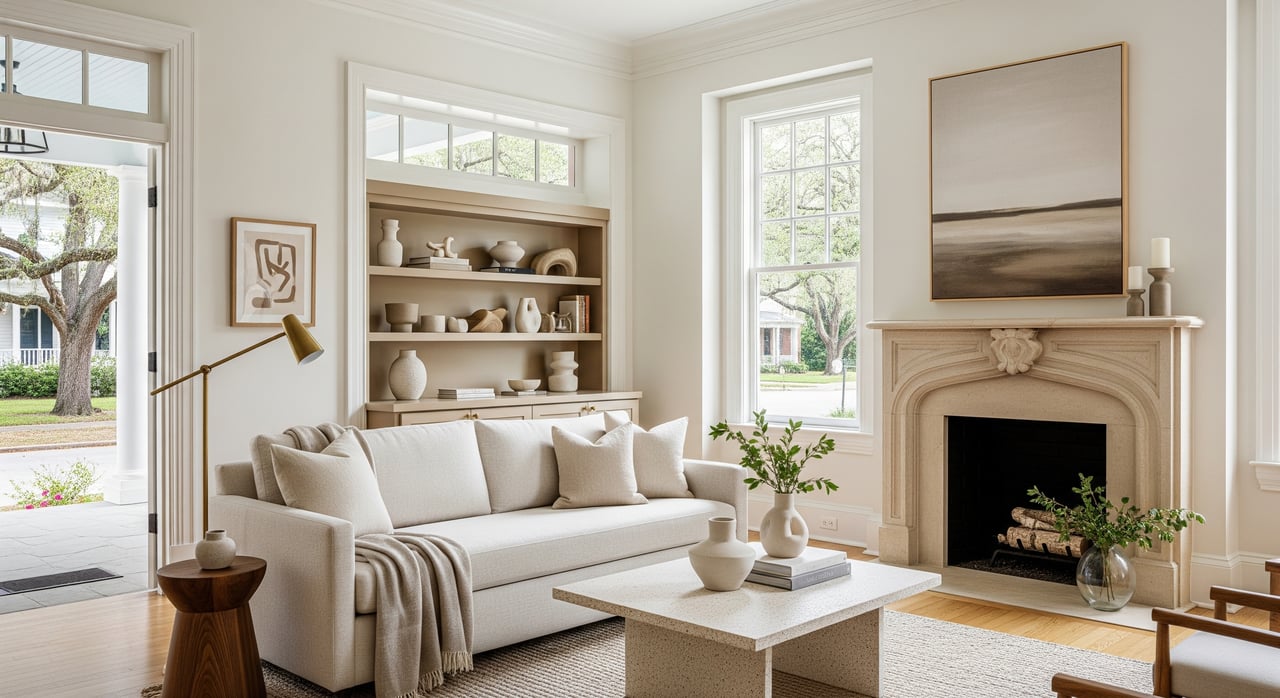
Thinking about selling in Dilworth and wondering if staging is worth it? You’re not alone. Design-conscious buyers love the neighborhood’s historic charm, but they still expect a polished, move-in-ready feel the moment they see your photos. In this guide, you’ll see how thoughtful staging changes outcomes, what to stage in a Dilworth bungalow or cottage, and how to measure your return so you can list with confidence. Let’s dive in.
Why staging wins in Dilworth
Dilworth buyers want character and convenience. They respond to original details, inviting porches, and an easy walk to amenities, yet they shop online first and compare homes by photos. Staging bridges that gap by highlighting craftsmanship while showing a clean, contemporary lifestyle that feels turnkey.
Smaller room sizes are common in early- to mid-20th-century homes here. Scale-appropriate furnishings and clutter-free layouts help buyers visualize real-life flow, from morning coffee on the porch to weeknight dinners and remote work.
What staging actually does
- Maximizes visual impact in listing photos and virtual tours.
- Clarifies how to use smaller or quirky rooms with correct furniture scale.
- Signals move-in-ready condition to support your price.
- Reduces days on market and encourages stronger, more competitive offers.
Price and positioning strategy
Staging is a positioning tool. It elevates perceived value so your list price feels justified and your negotiation leverage improves. It also amplifies the rest of your plan: accurate pricing, professional photography, floor plans, and well-run showings. Presentation is the multiplier. List. Stage. Sell.
Photography that sells the story
Your photos carry most of the workload online. For Dilworth, professional, wide-angle imagery that respects room proportions is essential. Focus on key spaces buyers scan first: living room, primary bedroom, kitchen, main bath, and the front porch or entry.
Twilight exteriors can spotlight architecture and streetscape appeal. If a property is vacant, virtual staging can be appropriate as long as it is clearly disclosed per MLS rules and local guidelines. When buyers will tour in person soon after, physical staging typically performs better.
Measured ROI: track what matters
You make better decisions when you can measure results. Before and after staging, track:
- Days on market.
- Showings per week and showings-to-offer ratio.
- Number of offers and whether they are at or above list.
- Final sale price versus list price.
- Online engagement: listing views, saves, photo click-through, and video watch time.
- Qualitative feedback from buyers and agents about condition and presentation.
Simple ROI formula
- Net gain = Final sale price with staging minus expected final sale price without staging.
- ROI (%) = (Net gain minus total staging cost) ÷ total staging cost × 100.
Hypothetical Dilworth case: 3BR bungalow
This example is illustrative only.
- Property: 3BR bungalow, ~1,500 sq ft; vacant at first listing.
- Pre-staging status: Listed with smartphone photos; DOM = 29; no offers.
- Staging scope: Full main-level staging (living, dining, kitchen, primary) plus porch seating vignette. Neutral palette, layered textures, period-friendly accessories. Right-sized furniture to open circulation.
- Photography: Professional interiors plus twilight exterior. Relisted the day staging wrapped.
- Outcomes (illustrative): DOM after staging = 6; 4 offers in the first week; final sale price approximately 4% above list; online views increased by about three times after relisting with staged photos.
Hypothetical ROI math:
- Expected final price without staging: 980,000.
- Final price with staging: 1,035,000.
- Net gain: 55,000.
- Staging cost example: 8,500.
- ROI: (55,000 minus 8,500) ÷ 8,500 × 100 ≈ 541%.
Again, these figures are illustrative to show how to use the formula. Actual results depend on pricing, timing, and market conditions.
Hypothetical Dilworth case: occupied cottage refresh
This example is illustrative only.
- Property: 2BR cottage, ~1,300 sq ft; owner-occupied.
- Challenges: Heavy drapes, oversized sectional, dark rugs made rooms feel smaller.
- Staging scope: Occupied refresh. Decluttered, replaced select pieces with lighter, scale-appropriate rentals, neutral bedding and art, edited accessories, styled a small porch seating area, and created a tidy desk nook.
- Timeline: Two-day refresh and install, pro photos on day three, listing live same day.
- Outcomes (illustrative): 8 days on market, 2 offers slightly above list, showings per week tripled versus pre-list expectations, and stronger buyer comments on condition and presentation.
Design moves that work in Dilworth
- Preserve character: Let fireplaces, built-ins, original woodwork, and hardwoods stand out. Use transitional furniture and neutral palettes that complement period details.
- Get the scale right: Smaller rooms shine with right-sized pieces and clear walk paths. Swap bulky sectionals for sleek sofas and add multifunctional pieces where helpful.
- Use the porch: A simple bistro set, planters, and clean lighting sell the walkable-lifestyle story.
- Tell a lifestyle story: Consider a compact dining setup for entertaining, a tidy home office nook, a practical drop zone by the back door, or discreet bike storage.
Staging scopes and cost drivers
Every home needs a tailored plan. Common scopes include:
- Vacant full staging: Furniture and decor for all primary living spaces.
- Partial staging: Key rooms only such as living, primary bedroom, and kitchen.
- Occupied refresh: Declutter, neutralize, rearrange, and add or swap select pieces.
- Virtual staging: Digital furnishings for vacant photo sets when appropriate.
Costs vary by scope, home size, rental duration, and design level. Specialty furniture, large or vaulted rooms, extensive accessory needs, or rush turnarounds can increase cost. Request itemized, local estimates and compare rental timelines and package details before you decide.
Timeline and workflow
- Pre-list walkthrough and consultation to define goals and priorities.
- Scope and proposal with line-item costs and install timeline.
- Delivery and installation, typically 1 to 3 days for most homes.
- Professional photography and listing launch immediately after install.
- Removal after a ratified contract, timed around buyer walkthroughs and closing.
If the home is within a historic district or subject to preservation guidelines, staging stays non-invasive and avoids altering historic materials.
How we measure before-and-after
To fairly compare results, keep the visuals and data consistent:
- Use matched angles for before-and-after photos and maintain a consistent editing style.
- Capture key dates: listing activation, staging install, photography, relist or status change, and contract.
- Pull engagement numbers from the MLS and portals when available: daily views, saves, inquiries, and top photo performance.
- Anonymize property details and remove identifying markers in photos unless you have written consent.
Data notes
Staging interacts with pricing, inventory, seasonality, mortgage rates, and timing. It is one part of a full listing strategy. Treat improvements in days on market or sale price as influenced by multiple factors, and use the ROI formula to understand directionally whether staging helped your net.
Ready to list smarter
If you want an owner-led team that rolls up its sleeves, curates the design, and brings in professional photography as part of a complete listing plan, we’re ready. Our in-house staging studio, KO Designed, is built for Dilworth’s blend of character and modern living. List. Stage. Sell. When you’re ready to talk strategy, reach out to KO Realty Group.
FAQs
Staging ROI in Dilworth: Is it worth the cost?
- Staging is a marketing investment that can improve perceived value, reduce days on market, and support stronger offers. Use the ROI formula to weigh cost versus potential net gain.
Dilworth photos: Why do they matter so much?
- Buyers judge homes online first. Pro photos of staged rooms create stronger first impressions, higher engagement, and more showings.
Occupied homes in Dilworth: Can I use my own furniture?
- Often you can with an occupied refresh, but swapping in neutral, properly scaled pieces can change room perception far more than decluttering alone.
Virtual staging for vacant Dilworth listings: When to use it?
- Virtual staging can help online presentation for vacant homes if clearly disclosed per MLS rules. For in-person tours, physical staging better communicates scale, light, and texture.
Staging timeline: How long should it stay installed?
- Typically until you are under contract. Removal can be timed around buyer walkthroughs and the closing schedule.